

Business Network Security Assessment in Houston, TX
Your business network may appear to be operating normally while still containing outdated equipment, weak wireless settings, exposed devices, or configuration problems that increase security and reliability risks.
Williams Communications provides business network security assessments in Houston, TX, to help organizations understand how their network is currently configured, identify potential weaknesses, and develop a practical plan for improvement.
We evaluate the physical equipment, network settings, wireless environment, connected systems, and overall network organization—not just whether the internet connection is working.
Understand What Is Happening Across Your Business Network
Business networks often grow gradually. New computers, wireless access points, cameras, phones, printers, access-control devices, and other equipment may be added over several years without a complete review of how everything is connected.
This can result in:
Outdated routers, firewalls, or switches
Weak or shared Wi-Fi passwords
Unsecured guest wireless access
Cameras and access-control devices sharing the employee network
Improperly configured network switches
Unknown or unauthorized connected devices
Poor equipment placement
Unused network ports remaining active
Inconsistent network settings
Limited documentation
Performance problems that resemble security issues
A network security assessment provides a clearer picture of your existing infrastructure and identifies areas that may need attention.

What Is Included in a Business Network Security Assessment?
The scope of each assessment depends on the size and complexity of the network. Our technicians may review the following areas:
We review the primary gateway, router, or firewall to identify outdated hardware, improper settings, unnecessary remote access, weak administrative credentials, or configuration problems.
Firewall and Router Configuration
We determine whether computers, guest users, VoIP phones, security cameras, access-control equipment, and other systems should be separated using VLANs or dedicated network segments.
VLANs and Network Segmentation
We evaluate wireless access points, network names, passwords, encryption settings, guest Wi-Fi, coverage, equipment placement, and how wireless users are separated from internal business systems.
Business Wi-Fi Security
Security and communication devices should not always operate on the same network as employee computers. We review how these systems are connected and whether additional separation is recommended.
Cameras, VoIP and Access-Control Systems
We review who can access critical network equipment and whether passwords, administrator accounts, remote management, and equipment ownership are properly controlled.
Administrative Access
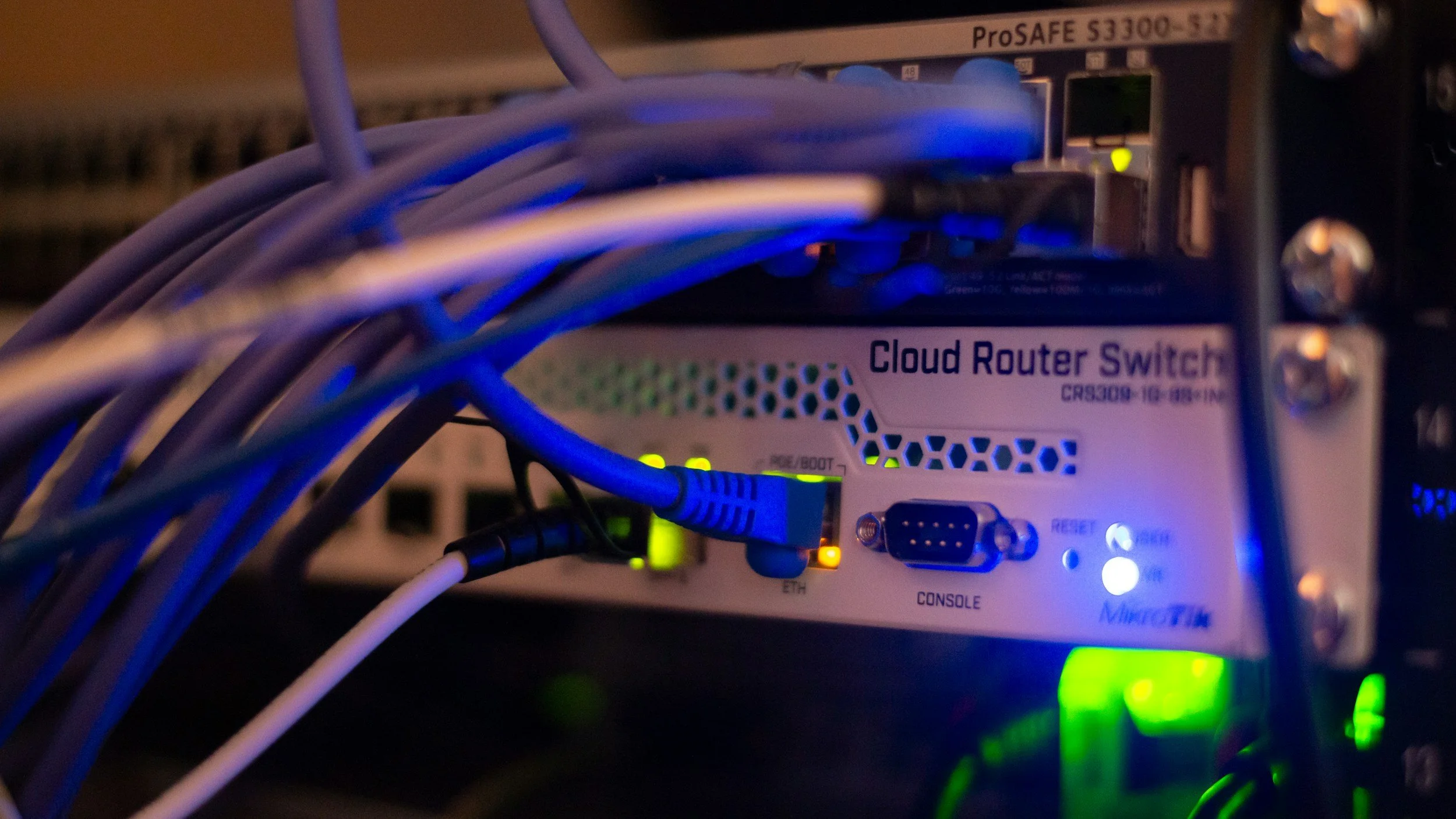
Our team examines network switches, active connections, PoE devices, uplinks, unused ports, and the general organization of the wired network.
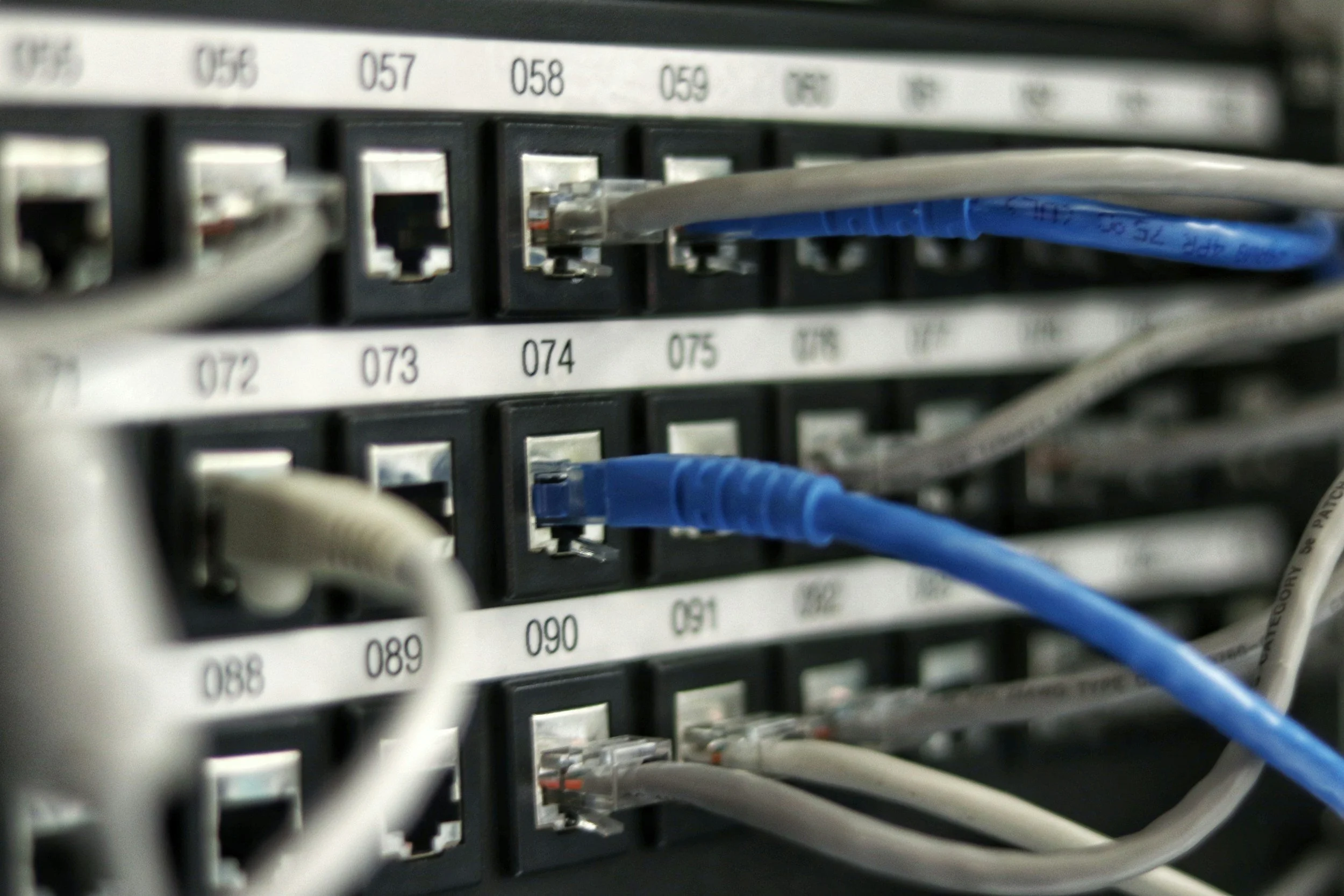
Network Switches and Connected DevicesAn assessment can also identify damaged patch cables, disorganized network racks, unsupported devices, improper power protection, overloaded switches, and other physical infrastructure concerns.
Equipment and Cabling Conditions
Signs Your Business May Need a Network Security Assessment
A professional network review may be helpful when:
-
Older network systems may no longer support current devices, speeds, security requirements, or business needs.
-
When several companies have modified the network, configurations, cabling, and equipment may become inconsistent or difficult to manage.
-
Without updated diagrams, equipment lists, passwords, and connection records, troubleshooting and future upgrades can take longer.
-
A shared password makes it difficult to control access, remove former employees, or identify who is connected to the network.
-
We offer flexible pricing based on project type and complexity. After an initial conversation, we’ll provide a transparent quote with no hidden costs.
-
Frequent disconnections may indicate cabling problems, weak network coverage, insufficient power, equipment failures, or configuration issues.
-
Missing administrator credentials can prevent updates, security changes, troubleshooting, and proper management of the network.
-
Changes to the building or workspace often require new cabling, equipment placement, Wi-Fi coverage planning, and network expansion.
-
Additional devices may require more network capacity, PoE power, switch ports, bandwidth, and proper traffic separation.
-
Slow or unstable internet may be caused by the service provider, network equipment, Wi-Fi interference, cabling, or internal traffic.
-
Unusual activity may indicate unauthorized access, infected devices, weak passwords, outdated equipment, or improper security settings.
-
Unknown devices can create security risks, consume bandwidth, and make it difficult to maintain control of the network.
-
A network assessment can help determine whether replacement is necessary and provide a clear explanation of the problems, options, and expected benefits.

Our Network Assessment Process


Williams Communications supports a variety of commercial environments throughout Houston and surrounding communities, including:
Professional offices
Medical and dental offices
Warehouses
Manufacturing facilities
Retail businesses
Churches and nonprofit organizations
Property-management offices
Schools and training facilities
Restaurants
Multi-building properties
Small and midsize businesses
Each assessment is adapted to the network environment rather than relying on a one-size-fits-all checklist.
Network Assessments for Houston Businesses

Network Security Assessments Before an Expansion or Upgrade
A network assessment is especially valuable before adding:
Business Wi-Fi Access Points
Better coverage
Stronger signal
More users
Security Cameras
Video monitoring
Recording
Remote viewing
Access-Control Systems
Door security
Card access
Entry tracking
Additional Employees
New devices
More users
Added capacity
New Office Locations
Network setup
Wi-Fi coverage
Phone service
Cloud-Based Phone Systems
Business calling
Voicemail
Mobile access
Remote Buildings
Building connections
Network access
Device support
Plan Before You Expand
Fiber-Optic Connections
High-speed links
Longer distances
Reliable service
Managed Switches
More ports
Device control
Network management
Guest Wireless Networks
Visitor access
Separate network
Added security
New Internet Service
Provider setup
Gateway configuration
Connection testing
Reviewing the existing network infrastructure before adding new equipment can help prevent compatibility problems, insufficient PoE capacity, overloaded switches, poor wireless coverage, and unnecessary equipment purchases.
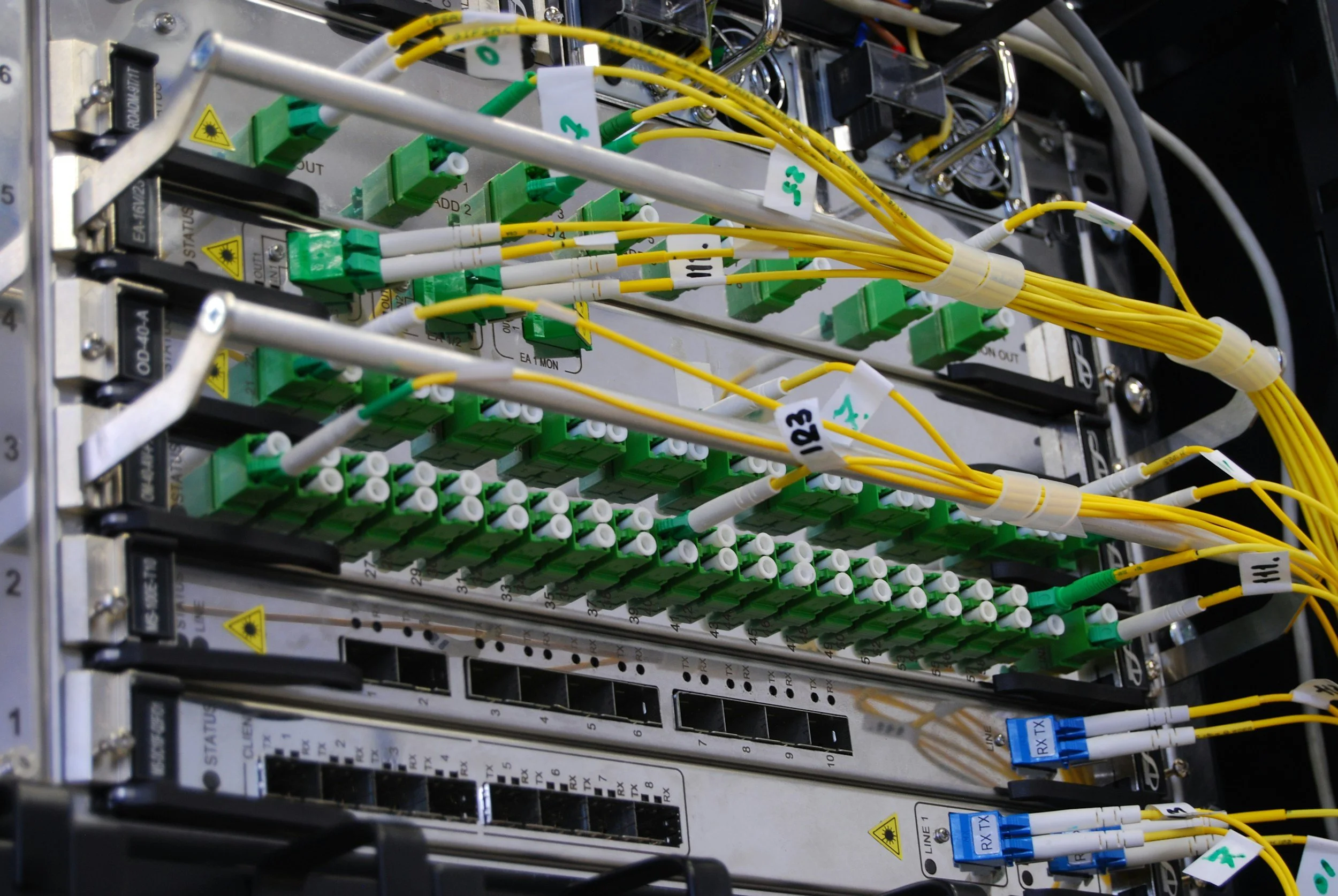
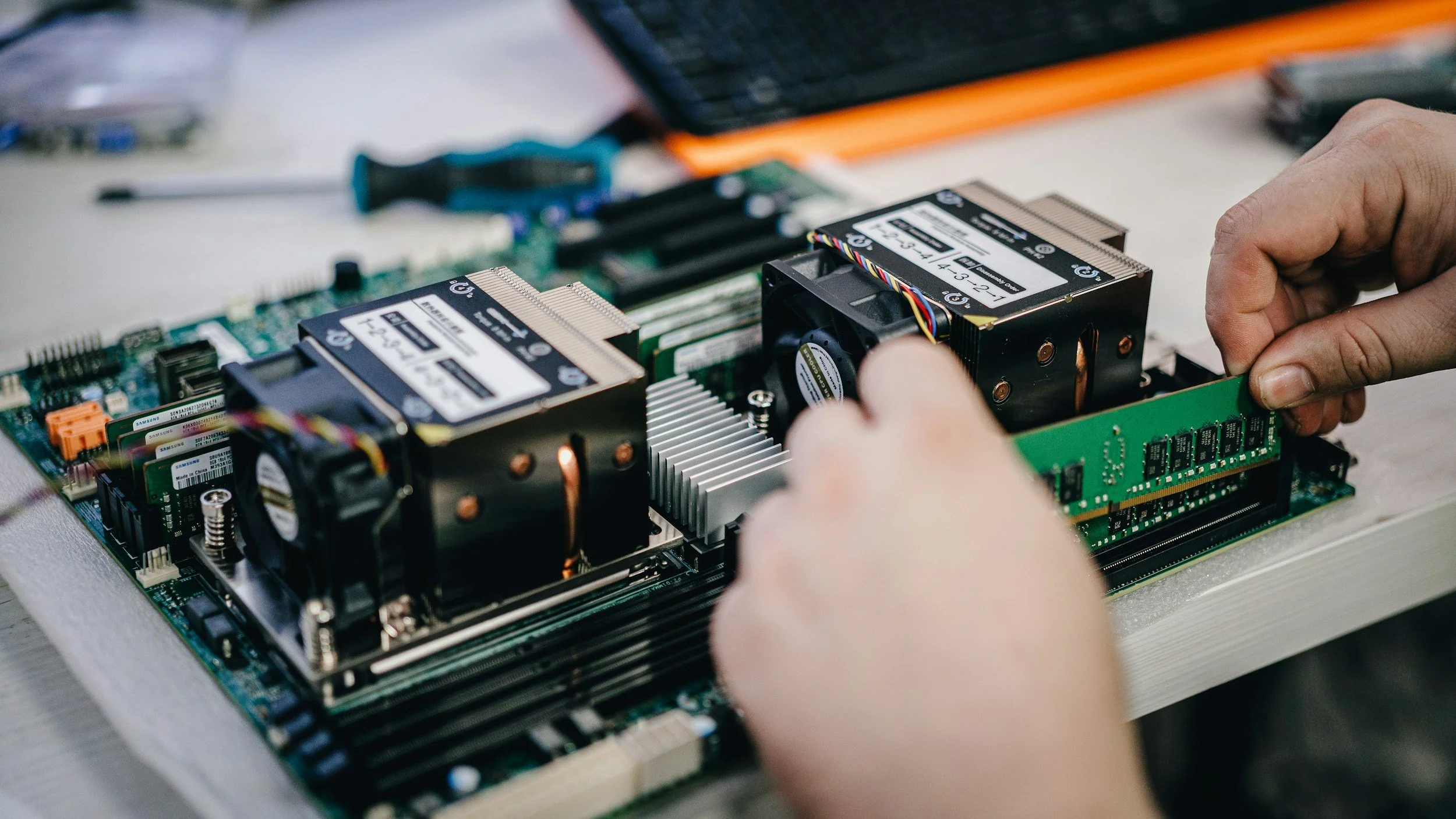
A proper review allows us to evaluate the current cabling, switches, wireless access points, internet connection, power requirements, and available network capacity. This helps determine whether the existing system can support additional employees, cameras, phones, access-control devices, remote buildings, or new office locations.
By identifying limitations before installation begins, the business can avoid unexpected downtime, reduce costly changes, and make better use of its current equipment. The result is a cleaner, more reliable network expansion that supports both immediate needs and future growth.

Network Security Assessment vs. Penetration Testing
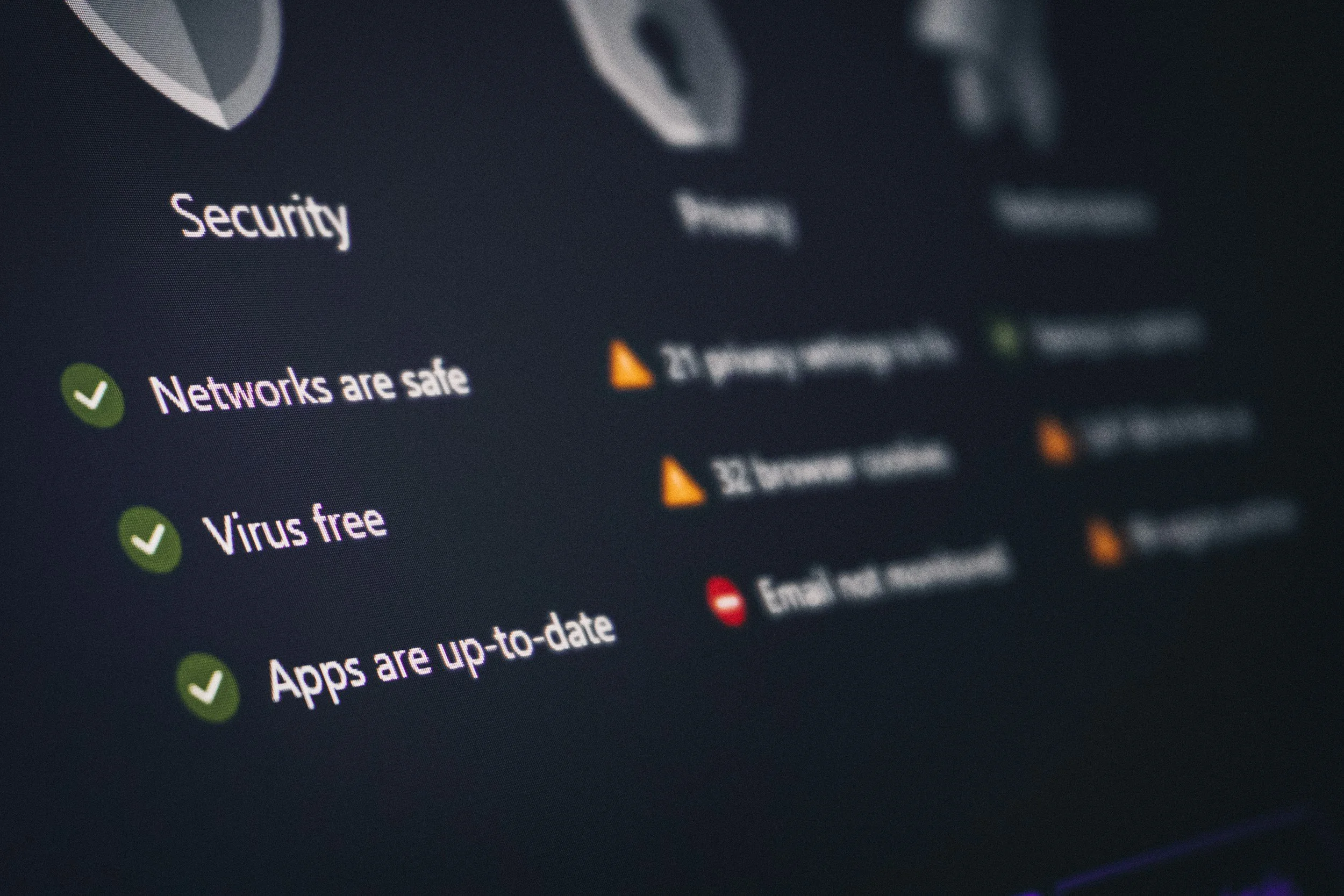
A Williams Communications network security assessment is primarily a review of the physical network infrastructure, equipment, configuration, wireless environment, and connected systems.
It is not automatically a formal penetration test, regulatory compliance audit, vulnerability scan, or forensic cybersecurity investigation. Those services may require specialized software, testing procedures, or additional cybersecurity partners.
We clearly define the scope before work begins so your organization understands exactly what will be evaluated.
Network Security Assessment vs. Penetration Testing
A Williams Communications network security assessment is primarily a review of the physical network infrastructure, equipment, configuration, wireless environment, and connected systems.
It is not automatically a formal penetration test, regulatory compliance audit, vulnerability scan, or forensic cybersecurity investigation. Those services may require specialized software, testing procedures, or additional cybersecurity partners.
We clearly define the scope before work begins so your organization understands exactly what will be evaluated.
Our Assessments Focus On
Clear explanations
Practical recommendations
Reliable network design
Business continuity
Future expansion
Proper device separation
Organized equipment and cabling
Solutions appropriate for the size of the business
Schedule a Business Network Security Assessment in Houston, TX
A reliable network begins with understanding how the existing system is built and where improvements are needed.
Williams Communications can evaluate your business network, identify security and performance concerns, and develop a practical improvement plan.
Contact Williams Communications today to schedule a business network security assessment in Houston, TX.

Frequently Asked Questions
-
An assessment may include a review of the router or firewall, network switches, Wi-Fi configuration, connected devices, administrative access, VLANs, equipment condition, cabling, and overall network organization.
-
The time required depends on the size of the facility, number of connected devices, number of network locations, complexity of the system, and availability of administrative credentials.
-
Yes. Williams Communications can review networks installed, configured, or previously managed by another vendor.
-
Not necessarily. We identify equipment that can remain in service and recommend replacement only when devices are outdated, unsupported, unreliable, improperly sized, or unable to meet the organization’s needs.
-
Yes. Williams Communications can provide a separate proposal for approved configuration changes, equipment upgrades, wireless improvements, cabling, VLANs, rack organization, and other corrective work.
-
Yes. Williams Communications can provide a clear summary of the issues identified, recommended improvements, equipment concerns, security risks, and suggested next steps based on the needs and priorities of the organization.